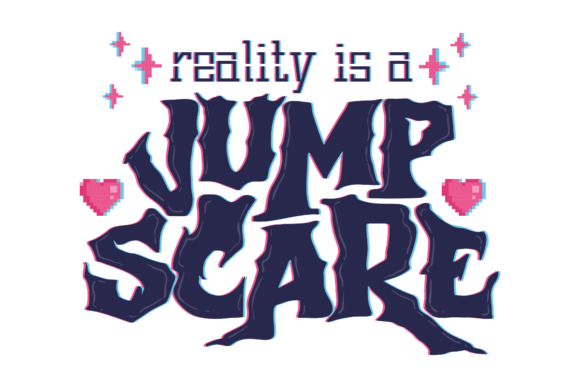
Jump Scare Life
As an embroidery designer and product reviewer, I often find myself evaluating designs not just for their aesthetic appeal but for how they translate into real-world projects. Jump Scare Life is one such design that immediately caught my attention with its dark, edgy vibe and clever use of pixel art combined with gothic elements. The phrase “Reality is a Jump Scare” encapsulates a mood that resonates with many—especially those who feel the daily grind is more horror than comfort. This design isn’t just a statement; it’s a conversation starter.
The First Impression: Mood, Layout, and Visual Personality
Jump Scare Life has a distinct visual personality. It’s not your typical gothic or horror design—it’s more about the subtle tension between the pixelated style and the ominous message. The layout is clean, with a central text element that commands attention while the surrounding details add depth without overwhelming the composition. The shape is versatile enough to work on a variety of surfaces, from shirts to mugs, but it really shines when used on larger formats like tote bags or sweatshirts.
The detail level is impressive for a graphic intended for embroidery. While some pixel art can become lost in stitch density, this design seems to balance complexity with clarity. The use of negative space and sharp lines makes it adaptable for different fabric types and embroidery techniques.
Real-Life Embroidery Situations: Where It Works Best
When considering Jump Scare Life for real projects, I envision it being used on custom apparel, especially for a craft business or Etsy shop. A sweatshirt with this design could be a hit during Halloween or as a unique holiday gift. It also has potential as a baby item—though I’d recommend scaling it down for something like a onesie or a burp cloth. The design’s boldness would stand out on a white or light-colored fabric, making it ideal for a personalized gift or boutique product.
For small business owners or handmade shop owners, Jump Scare Life could be a strong addition to a line of novelty items. As a digital product, it might be sold as a printable mockup or a downloadable embroidery file. The design’s versatility means it could work well on aprons, caps, or even pillow covers, giving it a place in both home decor and fashion markets.
Where to Use It Carefully: Limitations and Considerations
Despite its strengths, Jump Scare Life isn’t a one-size-fits-all design. On small hoop sizes, the intricate details may become too dense, leading to poor stitching results. Similarly, on textured fabrics or thin, stretchy materials, the design might not hold up as well. I’d advise testing it on scrap fabric before committing to a final project.
On dark fabrics, the contrast may be less effective, so thread color selection is crucial. If you’re using a light-colored thread on a dark background, make sure it stands out clearly. For layered garments or curved surfaces like caps, the design might require some adjustments to ensure it sits properly and doesn’t distort during stitching.
Impact on Visual Appeal and Customer Perception
Jump Scare Life has the potential to elevate the visual appeal of any finished product. Its unique theme adds a layer of storytelling that can resonate with customers looking for something beyond the ordinary. When used on a handmade product or personalized gift, it can create a sense of exclusivity and creativity that sets it apart from mass-produced items.
From a commercial standpoint, this design could enhance brand consistency if it aligns with a store’s aesthetic. It also offers a strong opportunity for buyer engagement, especially if marketed as a limited-time or seasonal item. However, it’s important to consider the target audience—this isn’t a design for everyone, and it may not fit all brand identities.
Practical Designer Notes: What to Check Before Using
Before incorporating Jump Scare Life into any project, I recommend a few key steps. First, test the design on scrap fabric to see how it looks in different thread colors and stabilizer types. Pay close attention to stitch density—too much can cause puckering, while too little can result in a weak appearance.
Check the hoop size required for the design and confirm it’s compatible with your embroidery machine. Also, inspect small details like lettering and corners to ensure they’ll hold up under stitching. If you’re planning to sell finished products, verify the licensing terms to avoid any legal issues.
Finally, consider how the design will look in black and white mockups. This can help determine its effectiveness on different fabric backgrounds and give you a better idea of how it will translate in real life.
Conclusion: A Design That Speaks Volumes
Jump Scare Life is more than just a graphic—it’s a design that carries a mood, a message, and a potential for creative expression. Whether you're an embroidery designer, a small business owner, or a hobbyist, this design offers a unique opportunity to engage with your audience in a meaningful way. With careful consideration and proper execution, it can become a standout piece in your collection of machine embroidery designs or a valuable asset in your craft business.